
Best Online Casinos in China: A Complete List (2026)
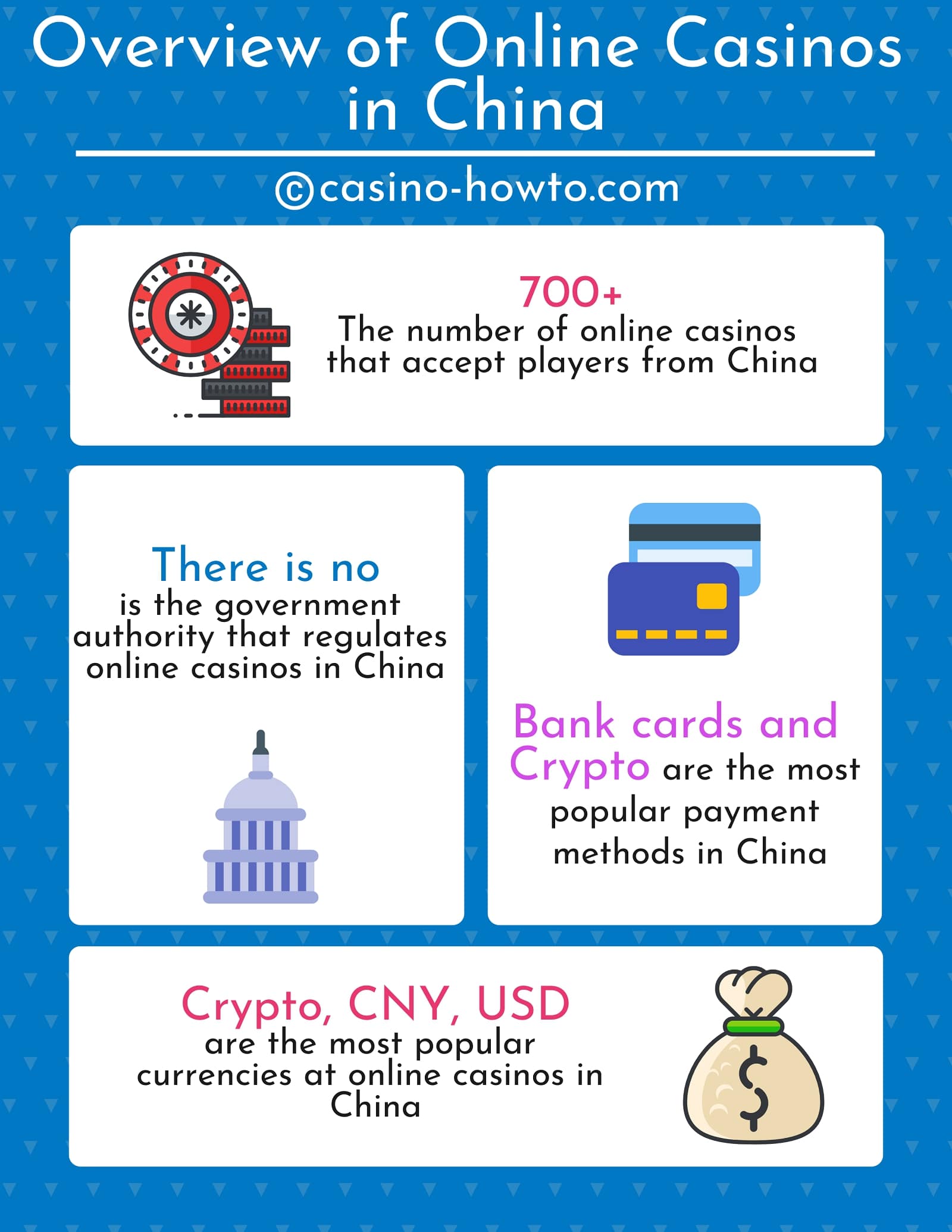
China is a difficult country to cover from an online casino point of view because the legal position is far less permissive than the number of casino sites targeting Chinese-speaking players might suggest. In mainland China, casino gambling and unauthorised online gambling are illegal, while the state-authorised Welfare Lottery and Sports Lottery occupy a separate legal category. Chinese authorities also continue to target cross-border and internet gambling operations.
Macau needs to be treated separately. It is a Special Administrative Region with its own regulated land-based casino industry, and casino entry there is restricted to people aged 21 or older. That does not turn offshore internet casinos into legal mainland Chinese casinos.
Plenty of offshore gambling websites may still display Chinese-language interfaces or attempt to attract customers from mainland China. In my view, that availability creates more risk rather than more choice. A player can face legal problems, blocked payments, inaccessible sites and very weak recourse if an offshore operator refuses to pay.
Best Online Casinos in China





















+ 8 more


+ 7 more



+ 2 more


+ 4 more



+ 6 more





+ 1 more

+ 3 more


+ 1 more


+ 3 more
What I Look At Before Trusting A Casino That Targets China
Finding an online casino website with Chinese text is easy. Finding one that is suitable for somebody subject to mainland Chinese law is another matter entirely, because mainland authorities prohibit gambling activity outside narrow state-approved exceptions and actively pursue online gambling networks.
For that reason, I would not describe an offshore operator merely accepting Chinese registrations as a legitimate "China casino". These are the checks I consider when assessing the operator itself and, separately, the legal problems a mainland player would face.
Whether Chinese players are actually accepted. An operator can translate its website into Simplified Chinese without formally accepting residents of mainland China. Country restrictions in the terms and KYC rules matter more than the language shown on the homepage.
The legal position comes first. This is unusually important for China. A foreign licence does not override mainland Chinese gambling law, and I would not recommend using technical or payment workarounds to bypass domestic restrictions.
Payment availability must be treated cautiously. A casino may advertise familiar Chinese payment brands, bank payments or digital assets, but that does not mean those services approve gambling transactions. A payment logo is not evidence of legality.
Withdrawal speed needs evidence behind it. Offshore casinos love words such as "instant", yet verification can turn a supposedly quick cashout into days of waiting. Clear processing periods and sensible withdrawal limits are more useful than marketing claims.
Reputation matters heavily. I look for patterns of cancelled withdrawals, confiscated balances, unexplained account closures and disputes involving bonus rules. One angry complaint proves little; the same complaint repeated over a long period worries me.
The real-money catalogue should be genuine. Established software suppliers provide slots, live tables and RNG games through commercial agreements. If games look copied or behave differently from recognised versions, I would leave.
RMB support can make accounting easier, but it proves nothing about legality. An account denominated in CNY saves constant currency conversion. It should never be read as evidence that the operator is authorised in China.
Licensing information should be traceable. I want a named operating company, regulator and licence details that can be independently checked. A generic "licensed and regulated" statement is not enough.
Software needs to come from real suppliers. Fake casino games create a basic fairness problem because stated RTP figures and RNG claims cannot be trusted.
HTTPS encryption is a minimum requirement. Registration details, passwords and KYC documents are sensitive. I would never upload an identity document to an unsecured page or send it to an unofficial messaging account.
Support should answer specific questions. I prefer testing whether staff can explain country restrictions, KYC and withdrawal rules clearly instead of just replying with a copied welcome message.
KYC requirements should be disclosed early. Offshore operators may request an identity document, proof of address, payment ownership evidence and sometimes source-of-funds information. A casino that waits until a large withdrawal to mention unusually invasive requirements deserves suspicion.
Bonus rules need to be readable. Maximum bets, wagering multipliers, game weighting and excluded countries can completely change the value of a promotion.
A large game count is only useful when those games work for the player's location. Thousands of listed titles mean little if important providers become unavailable after login.
Responsible gambling controls should exist. Deposit limits, time-outs and account closure options are basic features I expect from a serious international operator.
The casino should disclose fees and conversion rules. Currency conversions and withdrawal charges can quietly remove part of a player's balance.
Terms should not give the casino unlimited discretion. Clauses letting an operator confiscate funds for vaguely defined "irregular play" concern me, especially when the casino has no practical dispute mechanism for a Chinese customer.
This is one market where I would put consumer protection above the size of the game library. Even a technically solid offshore casino can still be a poor option for somebody in mainland China because foreign licensing does not remove the domestic legal and payment risks.
Chinese-Language Casino Bonuses Need Extra Scrutiny
Offshore casinos targeting Chinese-speaking customers frequently advertise sign-up offers, deposit matches and free spins. Large welcome packages are easy to put on a banner, so I judge the conditions rather than the headline number.
A 200% bonus can be poor value when the wagering requirement is high or when only a small percentage of table-game wagers count. I also check maximum bonus bets, expiry periods and whether winnings generated from free spins carry another wagering requirement.
Common promotions include:
- Deposit bonuses adding bonus funds after a qualifying payment.
- Free spins attached to selected slots.
- Cashback returning a percentage of qualifying losses.
- VIP programmes giving points or status levels to regular customers.
- Casino races ranking players during a promotional period.
- Tournaments offering prize pools for qualifying games.
- Bonus shops where loyalty points can sometimes be exchanged for spins or promotional credit.
In my view, cashback with straightforward rules is often easier to assess than a massive multi-stage welcome package. I also dislike promotions that push players to increase deposits just to preserve a VIP level.
For mainland China there is a more basic concern: a bonus from an offshore operator does not change the legality of gambling. Chinese authorities treat online and cross-border gambling seriously, so promotional value should never be confused with regulatory approval.
Payments At Online Casinos Targeting Chinese Players
Payments are one of the biggest practical problems with offshore gambling from mainland China. Domestic financial and internet controls mean a method that works for normal shopping cannot be assumed to work legally for gambling.
Offshore sites may mention methods such as:
UnionPay cards. UnionPay is widely used for ordinary Chinese payments, but displaying its logo on a gambling site does not mean a gambling transaction is approved or protected.
Bank cards. Chinese debit and credit cards are convenient for normal purchases. Gambling-related transactions can face restrictions, declines or compliance checks.
Bank transfers. Direct transfers may appear at some international operators, but transfers linked to prohibited gambling can create serious legal and banking issues.
Alipay. It is one of China's dominant everyday digital payment services. I would be very wary of any gambling operator, agent or stranger claiming that an unusual personal Alipay transfer is a legitimate casino deposit route.
WeChat Pay. The same caution applies here. Sending money to private QR codes or intermediaries gives the player very little protection if the supposed casino agent disappears.
Digital assets. Some offshore casinos accept Bitcoin or stablecoins, but mainland China's financial authorities maintain strict restrictions around virtual-currency-related financial activity. Crypto should not be seen as a lawful workaround for gambling controls.
I would never recommend sending casino money through an unrelated private account, unofficial QR code or person claiming to be a payment agent. That setup creates obvious fraud risk on top of the underlying gambling-law problem.
Casino Games Chinese Players Commonly Encounter Offshore
There is no reliable official mainland ranking of legal online casino-game preferences because ordinary commercial online casino gambling is not an authorised domestic market. Offshore casinos serving Chinese-language audiences nevertheless tend to feature several recurring game categories.
Sic Bo. Dice games have a long association with Asian casino floors, and Sic Bo remains common in live-dealer lobbies. The large number of possible bets is entertaining, but house edges vary considerably between wagers.
Dragon Tiger. This is faster than baccarat because only one card is dealt to each main position. I think the simplicity suits mobile play, although its speed also means bets can accumulate quickly.
Baccarat. Baccarat remains one of the most prominent table games in Asian-facing casino lobbies. Banker and Player bets are much easier to assess mathematically than many of the side bets displayed around them.
Pai Gow-style games. These appear less universally than blackjack or roulette, but Asian-facing platforms sometimes give them more space than European-focused casinos do.
Fish-shooting games. Arcade-style fish games appear on many Asian casino platforms. They look very different from traditional slots, though players should remember that colourful skill-like controls do not necessarily remove the underlying house advantage.
Live dealer game shows. Multiplier wheels, card reveals and studio games have become increasingly common. I find them visually entertaining, but the paytable still deserves more attention than the presenter.
Mahjong-themed slots. Slots built around mahjong tiles, lucky symbols and Chinese cultural themes are widespread among Asian-facing software catalogues. Theme has no effect on fairness, so RTP and volatility are still the numbers I care about.
I would also check whether the games come from recognisable studios. An attractive live lobby is worth very little if the operator is distributing cloned software or cannot explain who supplies its RNG games.
The Legal Reality Of Online Casinos In Mainland China
Mainland China does not operate a locally licensed commercial online casino market. Gambling activity can attract administrative penalties, while organising gambling or operating casinos can cross into criminal liability. The revised Public Security Administration Punishments Law, effective from January 1, 2026, states that participating in gambling with relatively large stakes can result in detention or a fine, with heavier sanctions for serious circumstances.
Chinese criminal-law guidance also specifically addresses gambling websites. Establishing a gambling website, acting as its betting agent or providing certain forms of assistance can be treated as operating a casino or participating in gambling offences.
The legal alternatives are mainly China's authorised Welfare Lottery and Sports Lottery. Unauthorised internet lottery sales have also been repeatedly prohibited; government rules state that internet lottery sales require Ministry of Finance approval.
Tax rules are clearer for legal lottery winnings: lottery prizes are treated as incidental income, and the current rules retain an exemption for an individual lottery win of no more than RMB 10,000.
Crypto Casinos Are Not A China Loophole
Crypto casinos can look attractive when ordinary casino payments are difficult, but I would not treat cryptocurrency as a solution for mainland Chinese players. Moving a gambling payment onto a blockchain does not change the underlying legal status of the wager.
There is another problem: virtual-currency activity itself is subject to strict Chinese financial controls. An offshore casino may accept Bitcoin, USDT or another token, but availability is not the same thing as regulatory approval.
Crypto also adds practical risks. Transfers can be irreversible, wallet addresses can be copied incorrectly and stablecoins still carry issuer and platform risk.
In my view, anybody presenting crypto as a simple way to bypass China's gambling restrictions is leaving out the most important part of the story.
Casino Apps And Mobile Gambling In China
Chinese-language offshore casinos are usually built for phones because a large part of their audience prefers mobile access. Responsive browser sites can run on Android and iOS without a dedicated application, while some operators distribute APK files or direct installation packages.
That technical compatibility does not make the casino legal in mainland China.
All casinos included in a general international rating may be mobile friendly, but mainland users can still face website blocking, app-store absence, payment restrictions and changing access conditions.
I am especially cautious about casino APK files obtained from unknown links. Installing software outside an official store can expose a phone to malware, credential theft or fake payment pages. A casino account is not worth giving an unverified app broad access to a personal device.
Security Matters More When Consumer Recourse Is Weak
Online casino safety normally starts with encryption and licence checks, but China adds another layer. A mainland player dealing with an offshore operator may have limited realistic options if the casino freezes an account or refuses a withdrawal.
My basic safety checks include:
- Use a different password for the casino and email account.
- Turn on two-factor authentication when available.
- Never upload KYC documents through a random chat account.
- Verify the casino company and regulator separately.
- Avoid links sent by strangers through social apps.
- Read cashout rules before depositing.
- Save important transaction and support records.
- Do not hand control of a phone or banking app to a casino "agent".
- Avoid private QR-code payments presented as official cashier transactions.
Chinese authorities have repeatedly treated internet and cross-border gambling as an enforcement priority, including large criminal cases involving offshore networks.
That enforcement environment also attracts scams. Somebody already operating outside normal legal channels has far less incentive to give customers strong consumer protection, so I would treat promises of guaranteed withdrawals or secret payment channels as warning signs.
Problems Mainland Chinese Online Casino Players Can Face
The practical issues go well beyond choosing a slot provider.
Gambling can lead to legal penalties. Mainland law provides penalties for gambling participation and much more serious consequences for organising or operating gambling businesses. There is no reliable workaround I would recommend.
Casino websites may become inaccessible. Offshore gambling websites can disappear, change domains or be blocked. A player's balance does not become safer simply because the operator publishes a replacement address.
Payments may fail or attract scrutiny. Familiar Chinese payment methods are not automatically available for gambling. I would never respond by sending funds through unknown private intermediaries.
Withdrawals can be difficult. Offshore operators may request extensive KYC, and a player has weaker practical leverage when the casino is not authorised locally.
Fake Chinese-language casinos exist. A polished translation and customer-service account on a popular messaging service can be copied quickly. Company information and licensing matter more.
Currency conversion can cost money. If a casino uses USD, EUR or cryptocurrency rather than CNY, the player's actual result can be affected by exchange movements and transaction costs.
VPN or technical access does not settle the legal issue. Reaching a blocked casino and being legally entitled to gamble there are completely different questions.
For mainland residents, I think these problems make offshore casino gambling substantially less consumer-friendly than the advertisements suggest.
Facts That Define China's Gambling Market
Mainland China does not license ordinary commercial online casinos. Gambling is restricted and online gambling networks remain targets of police enforcement.
Gambling participation can itself be punished. Under the Public Security Administration Punishments Law effective in 2026, participation involving relatively large gambling stakes can result in detention or fines.
Online casino operators face much heavier exposure. Chinese judicial guidance specifically treats establishing gambling websites or acting as an agent accepting bets as casino-operation conduct under criminal law.
China has two state-authorised lottery systems. The Welfare Lottery and Sports Lottery are legally authorised products and should not be confused with offshore casinos or private lottery websites.
Internet lottery sales are tightly controlled. Official policy prohibits unauthorised online lottery sales, and Ministry of Finance approval is required for lawful internet lottery operations.
Macau has a separate casino system. Regulated physical casinos operate legally there under Macau's own framework, and the minimum casino-entry age is 21.
Legal lottery winnings have specific tax rules. Individual lottery prizes of no more than RMB 10,000 per qualifying win continue to receive a personal income tax exemption under current rules.
Best 3 China Casinos Comparison

|

|

|
|
|---|---|---|---|
| Our Rating | 9.37/10 | 9.26/10 | 9.25/10 |
| Accepted Players |

|
|
|
| Deposit Methods |
MasterCard,
VISA,
Bitcoin,
Ethereum,
USDT (Tether),
XRP (Ripple)
+ 6 more |
Bitcoin,
Ethereum,
USDC,
USDT (Tether),
Solana,
BNB (Binance coin)
+ 6 more |
Bitcoin,
Ethereum,
USDC,
USDT (Tether),
Solana,
BNB (Binance coin)
+ 5 more |
| Welcome Bonus | 100% Up To 500$/€ | 100% Up To 10000$/€ | 100% Up To 3000$/€ |
| Wager | x50 | x80 | x50 |
| Cashback | Up To 20% | Up To 15% | Up To 15% |
| Online Slots | N/A | N/A | N/A |
| Mobile App | |||
| Crypto Casino | |||
| Cashout Speed | 0-7 days | 0-15 minutes | 0-30 minutes |
| Cashout Limits | 250,000 $/month | 50,000 $/month | 300,000 $/day |
| Visit Casino Site | 0x.bet | crypto-games.io | bitz.io |
China Online Casinos FAQ
Do All Online Casinos Accept Players From China? No. Some international casinos exclude mainland China in their terms even when their websites are available in Chinese. More importantly, acceptance by an offshore operator does not mean that playing there complies with mainland Chinese gambling law.
Are There Mobile China Casinos? International casinos targeting Chinese-language customers are normally mobile friendly, and casinos in a general rating can work through responsive mobile sites. Players in mainland China should still remember that technical access and legal permission are separate issues.
Can I Receive Bonuses At China Casinos? Offshore operators may offer Chinese-speaking customers welcome bonuses, cashback, free spins and VIP rewards. A promotion does not give an offshore casino legal status in mainland China, so I would never judge the situation by the bonus alone.
Are Live Dealer Games Available For Players From China? Many offshore casino platforms carry live baccarat, Sic Bo, Dragon Tiger, roulette and game-show tables. Whether an individual site permits access from a mainland Chinese account depends on its own restrictions, while Chinese domestic law remains the bigger concern.
Is Online Casino Gambling Legal In Mainland China? Ordinary commercial online casino gambling is not a legal locally licensed activity in mainland China. Current law can punish gambling participation, while running or promoting gambling operations can bring significantly more serious consequences.
Are Casinos Legal In Macau? Yes, regulated casino gambling exists in Macau under its own legal and regulatory system. The legal casino-entry age is 21, but Macau's land-based casino rules should not be confused with permission to use offshore internet casinos from mainland China.
Can I Use Cryptocurrency At An Offshore Casino From China? Some offshore casinos technically accept cryptocurrency, but that does not make the gambling lawful or remove China's restrictions surrounding virtual-currency financial activity. I would not consider crypto a safe legal workaround.
Why I Would Be More Cautious In China Than Most Markets
China is one of the cases where a huge selection of offshore casinos does not translate into a strong market for the player. Mainland China has no ordinary licensed commercial online casino sector, gambling participation can attract penalties, and authorities continue pursuing online and cross-border gambling operations.
Macau often causes confusion because its famous casinos operate legally under a separate system. That legal casino industry does not give offshore gambling websites permission to serve mainland residents.
From a consumer point of view, the weak point is recourse. If money is sent to a questionable offshore casino or unofficial payment agent and something goes wrong, recovering it can be very difficult.
That is why I would give far more weight to the law and the safety of funds than to bonuses, VIP levels or a library containing thousands of games. A Chinese interface, CNY balance and live baccarat lobby can make a casino look local, but none of those things makes it a locally authorised mainland Chinese casino.
China Online Casinos List
| # Casino Name | Bonus Program | Deposit Methods | Visit Casino | |
|---|---|---|---|---|
| 1. 0xBet |
|
100% Up To 500$/€ |
MasterCard,
VISA,
Bitcoin,
Ethereum
+ 8 more |
Visit Site |
| 2. CryptoGames |
|
100% Up To 10000$/€ |
Bitcoin,
Ethereum,
USDC,
USDT (Tether)
+ 8 more |
Visit Site |
| 3. BitzIO |
|
100% Up To 3000$/€ |
Bitcoin,
Ethereum,
USDC,
USDT (Tether)
+ 7 more |
Visit Site |
| 4. LamaBet |
|
100% Up To 1000$/€ |
MasterCard,
VISA,
Bitcoin,
Ethereum
+ 16 more |
Visit Site |
| 5. Instant |
|
200% Up To 7500$/€ |
MasterCard,
VISA,
Bitcoin,
Ethereum
+ 15 more |
Visit Site |
| 6. LTC Casino |
|
200% Up To 400$/€ |
Bitcoin,
Ethereum,
USDC,
USDT (Tether)
+ 7 more |
Visit Site |
| 7. CoinCasino |
|
200% Up To 30000$/€ |
Bitcoin,
Ethereum,
USDC,
USDT (Tether)
+ 10 more |
Visit Site |
| 8. SpinStar |
|
100% Up To 500$/€ |
MasterCard,
VISA,
Bitcoin,
Ethereum
+ 12 more |
Visit Site |
| 9. ETHcasino |
|
Bitcoin,
Ethereum,
USDC,
USDT (Tether)
+ 7 more |
Visit Site | |
| 10. CryptoCasino |
|
Bitcoin,
Ethereum,
USDT (Tether),
USDC
+ 4 more |
Visit Site | |
| 11. LuckyBlock |
|
200% Up To 25000$/€ |
Bitcoin,
Ethereum,
USDC,
USDT (Tether)
+ 14 more |
Visit Site |
| 12. CasinoBit |
|
110% Up To 5000$/€ |
Bitcoin,
Ethereum,
USDC,
USDT (Tether)
+ 6 more |
Visit Site |
| 13. Evospin |
|
125% Up To 2500$/€ |
MasterCard,
VISA,
Skrill,
Neteller
+ 6 more |
Visit Site |
| 14. Vave |
|
150% Up To 85000$/€ |
Bitcoin,
Ethereum,
USDT (Tether),
BNB (Binance coin)
+ 7 more |
Visit Site |
| 15. JackBit |
|
Cashback Up To 20% |
Bitcoin,
Ethereum,
USDC,
USDT (Tether)
+ 9 more |
Visit Site |
| 16. RakeBit |
|
Cashback Up To 25% |
Bitcoin,
Ethereum,
USDC,
USDT (Tether)
+ 11 more |
Visit Site |
| 17. BetsIO |
|
100% Up To 30000$/€ |
Bitcoin,
Ethereum,
USDC,
USDT (Tether)
+ 8 more |
Visit Site |
| 18. Bspin |
|
100% Up To 400$/€ |
Bitcoin,
Ethereum,
USDC,
USDT (Tether)
+ 9 more |
Visit Site |
| 19. LasAtlantis |
|
280% Up To 2800$/€ |
MasterCard,
VISA,
Bitcoin,
Ethereum
+ 11 more |
Visit Site |
New Casinos for Players from China
+ 2 more
+ 4 more




















+ 7 more
Fastest Payout Casinos for Players from China



Mobile Casino Apps for Players from China





+ 8 more


+ 4 more